I know lots of people don't care about these thigs but i like my frinds and other to know about these things
Carbon credits are a key component of national and international emissions trading schemes that have been implemented to mitigate global warming. They provide a way to reduce greenhouse effect emissions on an industrial scale by capping total annual emissions and letting the market assign a monetary value to any shortfall through trading. Credits can be exchanged between businesses or bought and sold in international markets at the prevailing market price. Credits can be used to finance carbon reduction schemes between trading partners and around the world.
There are also many companies that sell carbon credits to commercial and individual customers who are interested in lowering their carbon footprint on a voluntary basis. These carbon offsetters purchase the credits from an investment fund or a carbon development company that has aggregated the credits from individual projects. The quality of the credits is based in part on the validation process and sophistication of the fund or development company that acted as the sponsor to the carbon project. This is reflected in their price; voluntary units typically have less value than the units sold through the rigorously-validated Clean Development Mechanism
INSHORT---
Developing countries who will not produce cabon from their industris, will be paid by developed countries....
India is in the top of the list and delhi metro has been paid several million dollars for this
FOR MORE INFO......DO SEARCHING
Friday, February 1, 2008

Saturday, January 19, 2008
MORSE CODE
Morse Code is a language used to exchange information using long and short beeps. Morse code is invented by Samual Morse (1791 - 1872) in 1838. The morse alphabets are made of dot and dashes. Short beep is represented by Dot and Long beep by Dash. In morse code each word is spell out alphabetically.
DOWNLOAD THE SOURCE CODE AND PROGRAM TO GENERATE MORSE CODE BEEPS
A .- |
It will be helpful to study morse characters by grouping them.
E .
I ..
S ...
H ....

T -
M --
O ---

K -.-
R .-.

J .---
B -...

F ..-.
L .-..

U ..-
D --.
V ...-
Saturday, January 12, 2008
FACTS ABOUT RAVANA
 Do you know that sita ji was the daughter of Ravana??
Do you know that Ravana and kumhkarna were the vaikunth gaurd?
Do you know that why Ravana was unable to force his will of marry on Sita ji?
Do you know avatars of Ravana?
Read down for more info....................................
Following his initial training, Ravana performed an intense penance to Brahma, lasting several years. Pleased with his tapasya Brahma offered him a boon. Ravana asked for immortality, which Brahma refused. Ravana then asked for absolute invulnerability and supremacy before gods and heavenly spirits, other demons, serpents and wild beasts. Contemptuous of mortal men, he did not ask for protection from them. Brahma granted him these boons, and additionally great strength by way of knowledge of divine weapons and sorcery.
King of Lanka

Totsakanth (Ravana)'s sculpture as a guardian of Wat Phra
Thailand
Thailand
After winning these boons, Ravana sought out his grandfather, Sumali, and assumed leadership over his army. He then set his sights on Lanka.
Lanka was an idyllic city, created by the celestial architect Vishwakrmafor Kubera, the treasurer of the Gods. Kubera was also the son of Vishrava, and had generously shared all that he owned with Kaikesi's children. Ravana however, demanded Lanka wholly from him, threatening to take it by force. Vishrava advised Kubera to give it up to him, as Ravana was now undefeatable.
While Ravana usurped Lanka to begin with, he was nevertheless regarded as a benevolent and effective ruler. Lanka flourished under his rule - it is said the poorest of houses had vessels of gold to eat and drink off, and hunger was unknown in the kingdom.
Women

Ravana was known for his virility as well and his aggressive conquests of women. Ravana had several wives, foremost of whom was Mandodri- daughter of Mayasura and an Apsaranamed Hema. Mandodari was renowned for her wisdom and grace as well as beauty and chastity. She is often compared to Sita, one of the most beautiful woman described in Indian mythology, for her beauty. In addition to his wives, Ravana maintained a harem of incredible size, populated with women whom he captured in his many conquests, many of them accepted and lived happily in his harem for his great manhood, power and knowledge in every direction. Ravana forced himself upon any woman who rejected his advances. Two significant encounters occurred that would shape the course of the Ramayana.
The first was the molestation of the sage-womanVedavati. Vedavati had been performing penance with the intention of winning Lord Vishnu for a husband. Ravana met her at her hermitage, her beauty enhanced by the austerities she had performed. She, however, rejected his advances. Ravana proceeded to forcibly take her, upon which she prophesied that she would return to the mortal world as the cause of his death. She then created a pyre and let herself be consumed in it. She was then born again as Ravana's and Mandodari's daughter. However, Ravana was foretold before his marriage with Mandodari that his first child would be the cause of his death. In order to save himself, he sent Subahu to kill the child as soon as it was born. Subahu was unable to kill the baby girl, and lied to Ravana that he had killed the baby. The baby was then found. Sita grew up and married Rama thus becoming Vishnu's (as Rama) wife, and the cause of Ravana's defeat.
The second was his encounter with the apsara Rambha, upon whom he forced himself. Rambha was betrothed to Kubera's son, but her plea that she was like a daughter to him did not deter Ravana. Angered at this, Kubera's son cursed Ravana, stating that his ten heads would fall off his head if he forced himself upon any woman from that point. This curse is said to have protected Sita's chastity while she was Ravana's captive for nearly a year.
THE MOST IMPORTANT PARTThe Ramayana is not the only religious scripture that views Ravana as evil.
In the Bhgavata Purana ,Ravana and his brother,Kumbakarna were said to be reincarnations of Jaya and Vijaya, gatekeepers atVaikuntha, the abode ofVishnu and were cursed to be born in Earth for their insolence.
These gatekeepers refused entry to theSanatha Kumara monks, who, because of their powers and austerity appeared as young children. For their insolence, the monks cursed them to be expelled from Vaikunta and to be born in Earth. The all-merciful Vishnu agreed that they should be punished but agreed to mitigate their curse. He asked them whether they would want to be undergo seven births as devotees of Vishnu or three births as enemies of the Lord. Since they wanted to get back as soon as possible, they agreed to be born in three births as enemies of God.
In the first birth, Jaya and Vijaya were born asHiranyakashipu andHiranyaksha. Vishnu incarnated as Varah and Narshima killed them both. InTreta Yuga they were born as Ravana and Kumbhakarna and were killed by Rama. Then in Dwapara yuga, and in their final birth, Jaya and Vijaya they were born as Shishupala and Dantavakra and killed by SriKrishna. After the end of three births, they returned to Vaikunta.
Thank you........ i think we should have the knowledge of our great history? For Any rectification please tell..
Disclamair--These facts are just the information collected on internet...
Tuesday, January 8, 2008
The Chinese Zodiac
Introduction to the Chinese Zodiac The Chinese Zodiac consists of a 12-year cycle, each year of which is named after a different animal that imparts distinct characteristics to its year. Many Chinese believe that the year of a person's birth is the primary factor in determining that person's personality traits, physical and mental attributes and degree of success and happiness throughout his or her lifetime. It also shows your compatibility with people of the other signs. To learn about your Animal Sign, find the year of your birth among the 12 signs shown above and click on the Chinese character of your sign.
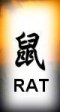 | 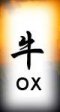 | 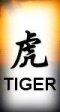 | 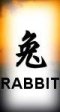 | 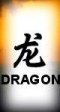 | 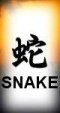 |
| 1900 1912 1924 1936 1948 1960 1972 1984 1996 2008 | 1901 1913 1925 1937 1949 1961 1973 1985 1997 2009 | 1902 1914 1926 1938 1950 1962 1974 1986 1998 2010 | 1903 1915 1927 1939 1951 1963 1975 1987 1999 2011 | 1904 1916 1928 1940 1952 1964 1976 1988 2000 2012 | 1905 1917 1929 1941 1953 1965 1977 1989 2001 2013 |
 |  | 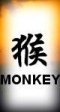 | 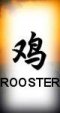 | 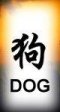 |  |
| 1906 1918 1930 1942 1954 1966 1978 1990 2002 2014 | 1907 1919 1931 1943 1955 1967 1979 1991 2003 2015 | 1908 1920 1932 1944 1956 1968 1980 1992 2004 2016 | 1909 1921 1933 1945 1957 1969 1981 1993 2005 2017 | 1910 1922 1934 1946 1958 1970 1982 1994 2006 2018 | 1911 1923 1935 1947 1959 1971 1983 1995 2007 2019 |
The Chinese Zodiac
Introduction to the Chinese Zodiac The Chinese Zodiac consists of a 12-year cycle, each year of which is named after a different animal that imparts distinct characteristics to its year. Many Chinese believe that the year of a person's birth is the primary factor in determining that person's personality traits, physical and mental attributes and degree of success and happiness throughout his or her lifetime. It also shows your compatibility with people of the other signs. To learn about your Animal Sign, find the year of your birth among the 12 signs shown above and click on the Chinese character of your sign.
| | | | | | |
| 1900 1912 1924 1936 1948 1960 1972 1984 1996 2008 | 1901 1913 1925 1937 1949 1961 1973 1985 1997 2009 | 1902 1914 1926 1938 1950 1962 1974 1986 1998 2010 | 1903 1915 1927 1939 1951 1963 1975 1987 1999 2011 | 1904 1916 1928 1940 1952 1964 1976 1988 2000 2012 | 1905 1917 1929 1941 1953 1965 1977 1989 2001 2013 |
| | | | | | |
| 1906 1918 1930 1942 1954 1966 1978 1990 2002 2014 | 1907 1919 1931 1943 1955 1967 1979 1991 2003 2015 | 1908 1920 1932 1944 1956 1968 1980 1992 2004 2016 | 1909 1921 1933 1945 1957 1969 1981 1993 2005 2017 | 1910 1922 1934 1946 1958 1970 1982 1994 2006 2018 | 1911 1923 1935 1947 1959 1971 1983 1995 2007 2019 |
What CIOs Want: Five Standout Skills
Writer-Katherine Spencer Lee (To know about Writer check out the end of Blog)
documen
January 07, 2008 (Computerworld) It's a good market out there for IT job seekers, but that doesn't mean your technical abilities will automatically land you a rewarding position. CIOs seek professionals who can contribute immediately to their companies' success. Faced with multiple candidates who are similarly qualified and technically proficient, how do they make tough hiring decisions?The choice often comes down to skills that are hard to quantify but essential to any successful IT career. Here are five nontechnical abilities that will help separate you from the crowd.
1. Communication skills
Verbal and written communication abilities continue to grow in importance as IT establishes itself at the forefront of business. Technology professionals must be able to interact not only with their immediate teammates, but also with colleagues throughout the company. The ability and willingness to explain a complex technology in terms the listener will understand -- and care about -- is as important as it is rare.
One key is to always keep your audience in mind. Tailor your message to their needs and preferences. For example, if you are speaking to a team of senior managers with little time to spare, highlight only the most important aspects of your project and save the details for a different conversation. And don't forget to keep your written communication skills sharp too, especially given the prevalence of e-mail in the office. If you have a colleague or friend whose e-mails are always clear and concise, ask him for tips.
2. Interpersonal skills
While technically impressive solutions are sometimes produced in isolation, the innovations that benefit a business the most are almost always the product of a joint effort, often involving people who don't share the same abilities or experience. Productive collaboration requires a willingness to see things from a different point of view.
One way to build these skills is to begin cultivating your internal network. Reach out to others, both inside and outside your department, and talk to them about what they do and how you might be able to partner. Gradually, you'll build a network of people you can interact with and turn to for ideas, suggestions and questions.
3. Customer service mind-set
Those with a customer service mind-set measure their work not by how much effort it took or how brilliantly it was executed but by how well the project served customers. Such an attitude puts you in sync with the company's overarching goals and steers you away from work that will have little business impact.
Familiarizing yourself with the company's customers (be they internal or external) is a first step toward developing this kind of results-oriented disposition. Always have an idea of the person who will be using the product, program or service you are developing. If it is the sales team, for instance, consider meeting with the group and watching them interact with technology to determine whether the software you've designed has a user-friendly interface as well as the features they seek.
4. Ability to apply technical skills to business challenges
The most sought-after job candidates don't just know how the technology works -- they also know how it will be used and by whom. IT professionals need to constantly learn new proficiencies to keep pace with industry advances, but today's hottest skills may not be the ones a particular company needs the most.
For example, while a hot programming language might be interesting to you, a given project may call for a more routine solution. When you keep in mind the business reasons underlying an IT project, you're more likely to find the best solutions, rather than trying to force a favorite technology into a situation where it doesn't quite fit.
5. Initiative
CIOs want staff members who consider their job description a starting point, not a checklist. The best employees don't wait for others to come to them with assignments, and they're often the first to volunteer for difficult challenges. Initiative also applies to your own skills -- have you demonstrated an ongoing commitment to training and education, especially in areas that may not be core strengths?
Don't confuse initiative with a willingness to take on mountains of work. Taking initiative means you're sufficiently engaged with both your work and your company's business that you can identify new ways to solve problems. Ever wonder why interviewers sometimes ask for an example of how you've handled failure in the past? Initiative-takers also tend to take ownership of their mistakes, a key ability of future leaders.
These five standout skills may not be easy to measure, but they're critical to the success of any IT professional. By approaching your career with a business-first, collaborative mind-set, you'll give yourself a better chance to be one of the people making tough hiring decisions down the road.
Katherine Spencer Lee is executive director of Robert Half Technology, a leading provider of IT professionals on a project and full-time basis. Robert Half Technology has more than 100 locations in North America, South America, Europe and Asia and offers online job search services at www.rht.com.
Subscribe to:
Posts (Atom)
